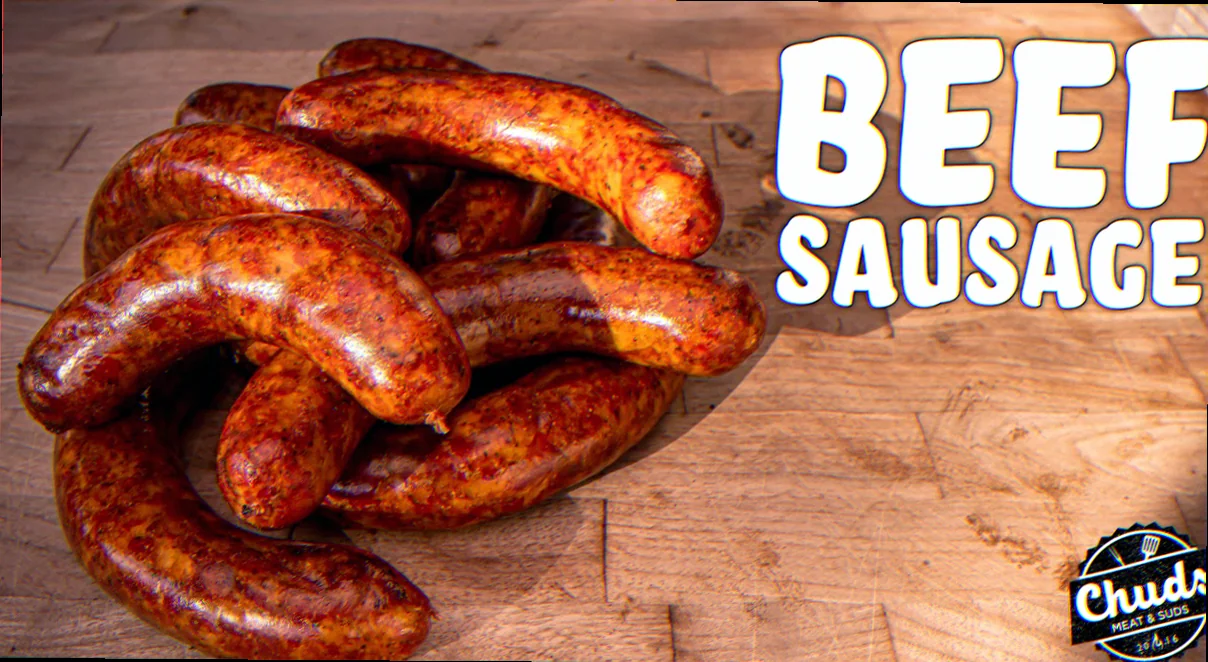
The smoky, garlicky aroma of Polish Kiełbasa, specifically beef smoked sausage, sizzling alongside caramelized onions and tangy sauerkraut is a flavour memory etched into countless Eastern European childhoods. This recipe for Beef Smoked Sausage and Sauerkraut, rooted in Polish kuchnia (cuisine), hinges on three things: the quality of the beef smoked sausage, the patient braising of the sauerkraut to achieve a perfect balance of tartness and sweetness, and the generous use of smoked paprika to amplify that signature smoky depth. Get these right, and you're transported.
Quick Reference
| Field | Detail |
|---|---|
| Dish | Beef Smoked Sausage and Sauerkraut |
| Origin | Polish cuisine, Eastern European region |
| Hero ingredients | Beef Smoked Sausage, Sauerkraut, Smoked Paprika |
| Defining technique | Braising |
| Texture | Tender, Succulent |
| Flavour | Smoky, Tangy, Savoury |
| Total time | 120 minutes |
| Servings | 6 |
| Pairs with | Polish Lager (Żywiec) |
| Occasion | Comfort Food, Weeknight Dinner, Autumn/Winter Meals |
Ingredients - What Actually Matters and Why
The foundation of this dish is built upon three key ingredients. Beef smoked sausage provides the rich, meaty base and signature smoky flavour. Sauerkraut, fermented cabbage, delivers the essential tangy counterpoint. And finally, smoked paprika isn't just a seasoning; it's a flavour amplifier, deepening the smokiness and adding a subtle sweetness.
- Beef Smoked Sausage - 750g, sliced into 1cm thick rounds - Provides the primary savoury flavour and hearty texture.
- Sauerkraut - 1kg, drained (reserve 100ml liquid) - Offers a crucial tangy acidity that cuts through the richness of the sausage.
- Smoked Paprika - 2 tablespoons - Deepens the smoky flavour profile and adds a subtle sweetness.
- Onion - 2 large, thinly sliced
- Garlic - 4 cloves, minced
- Dry White Wine - 125ml (optional, but recommended)
- Chicken or Vegetable Stock - 500ml
- Bay Leaves - 2
- Juniper Berries - 6, lightly crushed
- Caraway Seeds - 1 teaspoon
- Olive Oil - 2 tablespoons
- Salt and Black Pepper - to taste
Method: Braising Step by Step
This recipe relies on a sequential braising process, building layers of flavour by first softening the aromatics, then developing the sauerkraut's sweetness, and finally infusing the sausage with all those delicious notes.
- Sauté - Onions: Heat olive oil in a large, heavy-bottomed pot or Dutch oven over medium heat. Add onions and sauté for 10-12 minutes, until softened and golden brown - they should be translucent and fragrant.
- Bloom - Garlic & Spices: Add minced garlic, smoked paprika, caraway seeds, and juniper berries to the pot and bloom for 1 minute, stirring constantly - the spices should become fragrant and release their aromas.
- Deglaze - with Wine (optional): If using, pour in white wine and deglaze the pot, scraping up any browned bits from the bottom - the wine should bubble and reduce slightly, leaving behind a concentrated flavour.
- Braise - Sauerkraut: Add drained sauerkraut and reserved sauerkraut liquid to the pot. Pour in chicken or vegetable stock, add bay leaves, and bring to a simmer. Braise, covered, for 60-75 minutes, stirring occasionally - the sauerkraut should become tender and slightly sweet.
- Infuse - Sausage: Add sliced beef smoked sausage to the pot. Gently stir to combine. Braise, covered, for another 20-25 minutes, or until the sausage is heated through and slightly browned - the sausage should release its flavour into the sauerkraut.
- Finish and plate: Remove bay leaves before serving. Serve hot, garnished with a sprinkle of fresh parsley (optional). The finished dish should be a vibrant mix of colours - the golden-brown sausage, the pale yellow sauerkraut, and the flecks of paprika - with a glistening, slightly thickened sauce.
Authentic vs Adapted: What Changes and What Doesn't
Traditional Polish Kiełbasa z Kapustą (sausage with sauerkraut) is a rustic dish, often made with homemade kielbasa and sauerkraut fermented in large barrels. It's typically served as part of a hearty winter meal, often alongside mashed potatoes and rye bread. This recipe adapts the dish for the modern home cook by using readily available ingredients. The core elements - the beef smoked sausage, the sauerkraut, and the braising technique - remain true to the original. However, the addition of white wine is a slight adaptation, adding a layer of complexity not always found in traditional versions. Using pre-made smoked sausage instead of homemade is also an adaptation, but the quality of the sausage is paramount; seek out a reputable Polish or Eastern European deli for the best flavour.
Substitutions That Work (and Ones That Don't)
- Beef Smoked Sausage → Pork Smoked Sausage: Flavour impact - slightly sweeter and less intense. Recommendation - acceptable, but adjust seasoning accordingly.
- Sauerkraut → Kimchi: Flavour impact - significantly spicier and more fermented. Recommendation - not recommended; the flavour profile is too different.
- For dietary needs - Vegan/Vegetarian: Substitute smoked tofu or vegan sausage for the beef sausage and use vegetable stock.
- Budget swap: Use cheaper, pre-packaged sauerkraut instead of artisanal fermented sauerkraut. Impact - slightly less complex flavour, but still acceptable.
What to Serve Alongside Beef Smoked Sausage and Sauerkraut
This dish pairs beautifully with creamy mashed potatoes, which provide a comforting textural contrast to the tangy sauerkraut. Another excellent accompaniment is a slice of hearty rye bread, perfect for soaking up the flavourful sauce. To drink, a crisp Polish Lager like Żywiec is the ideal pairing. The beer's clean, refreshing flavour cuts through the richness of the sausage and complements the tanginess of the sauerkraut, creating a harmonious balance.
Troubleshooting: Why Your Beef Smoked Sausage and Sauerkraut Went Wrong
Let's address some common pitfalls. Symptom: Sauerkraut is still too sour. Cause: Insufficient braising time. Fix: Continue braising for another 30-60 minutes, checking for tenderness. Symptom: Sausage is dry and tough. Cause: Overcooking or low-quality sausage. Fix: Use a higher-quality sausage and reduce braising time to prevent drying out. Symptom: Dish lacks smoky flavour. Cause: Insufficient smoked paprika or low-quality sausage. Fix: Increase the amount of smoked paprika or use a more intensely smoked sausage.
Make-Ahead and Storage
You can prep the sauerkraut and onions a day ahead. Sauté the onions until softened, then combine with the drained sauerkraut and stock in a pot. Refrigerate overnight. Add the sausage and finish braising just before serving. Leftovers can be stored in an airtight container in the refrigerator for up to 3 days. Reheat gently on the stovetop, adding a splash of stock if needed to prevent drying out - the key is to maintain the tender texture of the sauerkraut.
Recipe Questions Answered
What makes Beef Smoked Sausage and Sauerkraut different from Bigos (Polish Hunter's Stew)?
While both dishes feature sauerkraut and smoked sausage, Bigos is a much more complex stew, typically containing multiple types of meat (including game), mushrooms, and often prunes. Bigos is also simmered for a much longer time, often days, allowing the flavours to meld and deepen. Beef Smoked Sausage and Sauerkraut is a simpler, quicker dish focused on the interplay between the sausage and sauerkraut.
Can I make Beef Smoked Sausage recipes without a Dutch oven?
Yes, you can use a large, heavy-bottomed pot. A Dutch oven provides even heat distribution and excellent heat retention, but a sturdy pot will work in a pinch. Just be sure to stir frequently to prevent sticking.
How do I scale Beef Smoked Sausage recipes for a crowd?
You can proportionally increase the ingredient quantities. However, you may need to braise in batches if your pot isn't large enough. The braising time will remain roughly the same, but check for tenderness more frequently as the volume increases.