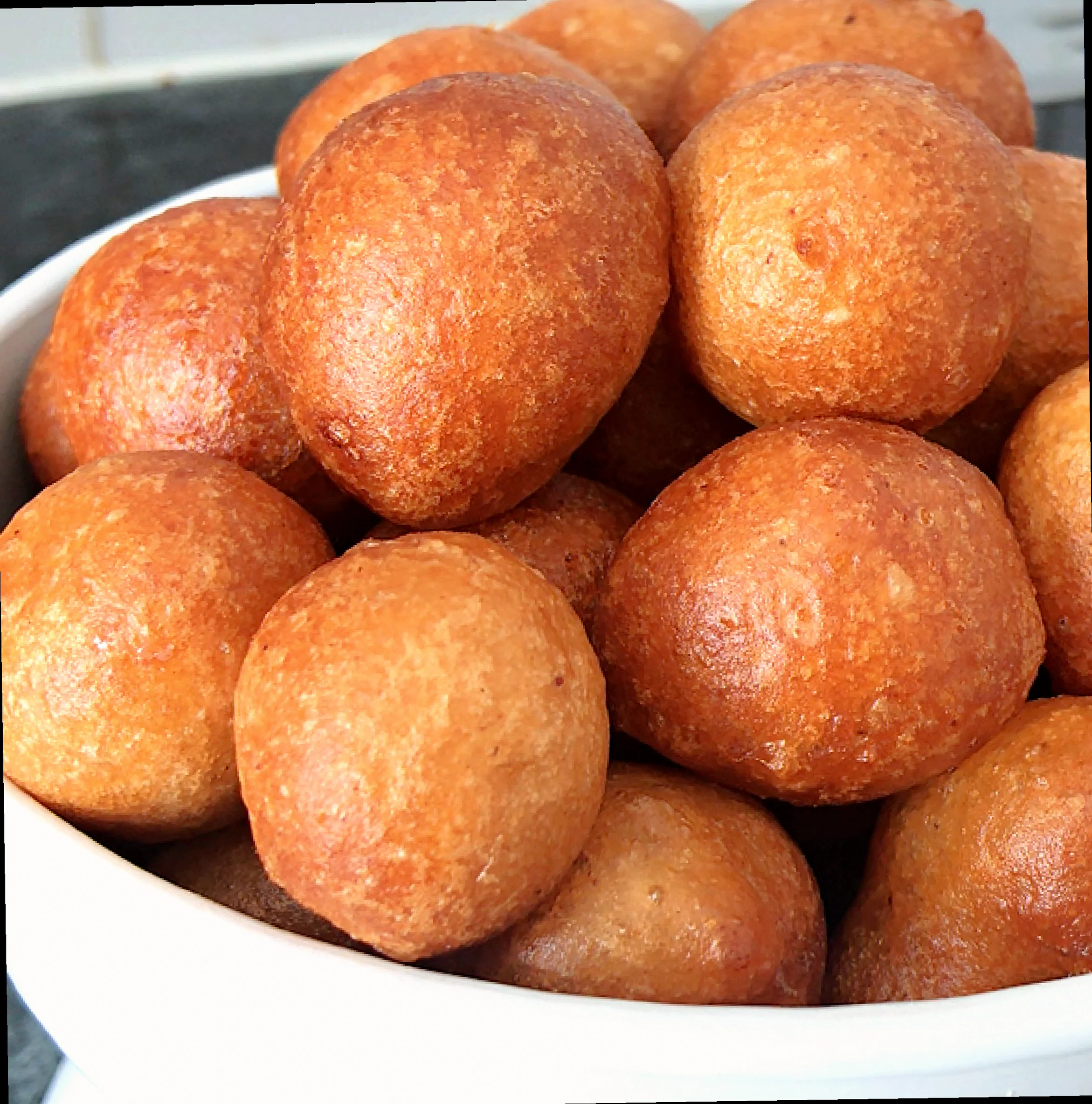
The Puff puff, a deceptively simple yet profoundly satisfying deep-fried dough ball, hails from Nigeria, specifically the Yoruba region. Its defining characteristic is a remarkably light, airy interior achieved through a unique fermentation process - a slow, controlled rise driven by yeast and lactic acid bacteria. This creates a delicate, almost sponge-like texture, contrasting beautifully with the crisp, golden-brown exterior, a testament to Maillard reactions and surface browning. The resulting flavour profile is subtly tangy, with a comforting sweetness that elevates it beyond a mere snack.
Complete Recipe Overview
| Property | Detail |
|---|---|
| Dish entity | Puff puff |
| Cuisine origin | Nigeria, Yoruba Region |
| Defining technique | Slow Fermentation & Deep Frying |
| Hero ingredients | All-Purpose Flour, Yeast, Sugar, Milk, Salt, Vegetable Oil |
| Critical ratio | Flour:Yeast (2:1), Liquid:Dry (1:1.5) |
| Prep time | 45 minutes |
| Cook time | 30-40 minutes at 180°C |
| Rest / chill time | 24-48 hours for fermentation |
| Yield | Approximately 40-50 puffs |
| Difficulty | Medium - requires patience and attention to detail during fermentation. |
Ingredients: Quantities, Roles, and Critical Ratios
The success of puff puff hinges on a delicate balance of ingredients. All-purpose flour provides the structure, while yeast is the star, responsible for the characteristic airy texture through fermentation. Sugar feeds the yeast, accelerating the process and contributing to the final sweetness. Milk adds richness and helps activate the yeast, creating a smoother dough. Salt controls the yeast activity and enhances flavour. Finally, vegetable oil is crucial for deep frying, ensuring a crispy exterior and preventing sticking. The critical ratio of 2:1 flour to yeast is paramount; too much flour will result in dense puffs, while too little will lead to a collapse during fermentation. The 1:1.5 ratio of liquid to dry ingredients ensures proper hydration and gluten development, contributing to the dough's elasticity.
- All-Purpose Flour - 500g - Role: Provides structure and forms the dough matrix.
- Instant Dry Yeast - 10g - Role: Drives fermentation, producing carbon dioxide and creating air pockets.
- Sugar - 50g - Role: Feeds the yeast, accelerating fermentation and contributing to sweetness.
- Milk - 250ml (lukewarm) - Role: Activates the yeast, adds richness, and improves dough texture.
- Salt - 5g - Role: Controls yeast activity and enhances flavour.
- Vegetable Oil - For deep frying (approximately 750ml - 1 litre) - Role: Creates a crispy exterior and prevents sticking.
The Science of Yeast and Fermentation
Yeast, specifically Saccharomyces cerevisiae, is the key to puff puff's unique texture. During fermentation, yeast consumes sugars (primarily from the added sugar) and produces carbon dioxide and ethanol as byproducts. The carbon dioxide gas gets trapped within the gluten network formed by the flour proteins (glutenin and gliadin), creating tiny air bubbles. Lactic acid bacteria, often naturally present in milk, also contribute to the fermentation process, producing lactic acid. This acid inhibits the growth of undesirable bacteria and further strengthens the gluten network, resulting in a more stable and airy dough. The slow fermentation process - typically 24-48 hours - allows for optimal gas production and gluten development, leading to a light and porous interior. The Maillard reaction, a complex chemical reaction between amino acids and reducing sugars, begins during the final stages of frying, creating the characteristic brown colour and flavour compounds on the surface of the puffs.
Method: Slow Fermentation & Deep Frying at Every Critical Stage
The goal of this method is to achieve a slow, controlled fermentation that maximizes air bubble formation and gluten development, culminating in a light and airy puff puff.
- Combine Dry Ingredients - Mix flour, yeast, and salt in a large bowl. - Temperature: Room Temperature - Timing: 2 minutes - Sensory Cue: Dry, evenly distributed ingredients.
- Add Wet Ingredients - Gradually add lukewarm milk and sugar to the dry ingredients, mixing until a shaggy dough forms. - Temperature: Lukewarm (37-43°C) - Timing: 3 minutes - Sensory Cue: Dough is slightly sticky but holds together when pressed.
- Knead Briefly - Knead the dough for 5-7 minutes until it becomes smooth and elastic. - Temperature: Room Temperature - Timing: 5-7 minutes - Sensory Cue: Dough is smooth and springs back when poked.
- First Fermentation (Bulk Fermentation) - Cover the bowl with plastic wrap and let it rise in a warm place for 24-48 hours. - Temperature: 24-27°C - Timing: 24-48 hours - Sensory Cue: Dough has doubled in size and is bubbly.
- Portion and Shape - Gently punch down the dough and divide it into equal portions (approximately 60g each). Roll each portion into a smooth ball. - Temperature: Room Temperature - Timing: 5 minutes - Sensory Cue: Uniformly sized, smooth balls.
- Second Fermentation (Proofing) - Place the dough balls on a lightly oiled baking sheet, cover loosely with plastic wrap, and let them rise for 30-60 minutes. - Temperature: 24-27°C - Timing: 30-60 minutes - Sensory Cue: Dough balls have slightly increased in size.
- Deep Frying - Heat vegetable oil in a deep pot or fryer to 180°C. Carefully drop the dough balls into the hot oil, being careful not to overcrowd the pot. - Temperature: 180°C - Timing: 3-5 minutes per batch - Sensory Cue: Puffs are golden brown and floating.
- Rest / Set - Remove the puffs from the oil and place them on a wire rack to cool slightly. - Time: 5-10 minutes - Why this step is non-negotiable: Allows excess oil to drain and prevents soggy puffs. What happens if skipped: Puffs will be greasy.
- Plate and Serve - Arrange the puff puffs on a serving platter. - Presentation Guidance: Serve warm, garnished with powdered sugar or a drizzle of honey.
Cultural and Historical Context of Nigerian Puff Puff
The origins of puff puff can be traced back to the Yoruba people of southwestern Nigeria, dating back to the early 20th century. Initially, the recipe was a home-based tradition, utilizing readily available ingredients like cassava flour and fermented milk. Over time, the recipe evolved, incorporating all-purpose flour and yeast, leading to the lighter, airier texture we recognize today. Puff puff became a staple at social gatherings, weddings, and religious ceremonies, symbolizing celebration and hospitality. The dish has since spread throughout Nigeria and West Africa, adapting to local tastes and ingredients. During the colonial era, the introduction of modern baking techniques further refined the recipe, solidifying puff puff's place as a beloved national treat. Today, variations exist across Nigeria, with some regions favouring sweeter puffs or incorporating spices like nutmeg and cinnamon.
Variations Across West African Cuisine
- Ghanaian Puff Puff (Kelewele) - This version uses plantain and is seasoned with ginger, chili, and pepper, resulting in a spicier, slightly caramelized flavour.
- Senegalese Puff Puff (Bâfs) - These puffs are traditionally made with millet flour and are often flavoured with anise seeds, giving them a distinct licorice-like taste.
- Vegan Adaptation - Substitute the milk with plant-based milk (almond, soy, or oat) and ensure the yeast is vegan-friendly. This may slightly alter the texture, making it a touch denser.
- Modern Adaptation - Incorporating flavours like matcha or lavender into the dough creates visually appealing and subtly flavoured puff puffs, appealing to contemporary palates.
Storage, Freezing, and Reheating Puff Puff
Proper storage is key to maintaining the puff puffs' delicate texture. Room temperature: Store leftover puff puffs in an airtight container at room temperature for up to 2 days. Reheating: Reheat in a preheated oven at 150°C for 5-7 minutes, or until warmed through. Freezing: Freeze puff puffs in a single layer on a baking sheet for 30 minutes to solidify, then transfer to an airtight freezer bag. They can be stored frozen for up to 2 months. Reheating from frozen: Bake in a preheated oven at 180°C for 10-12 minutes, or until heated through. Note: Freezing can slightly alter the texture, making them a bit denser upon thawing.
Pairing Puff Puff: Sides, Sauces, and Drinks
Puff puff's light, slightly tangy flavour pairs beautifully with rich and creamy accompaniments. A serving of coconut cream or a scoop of vanilla ice cream provides a delightful contrast. A drizzle of honey or a sprinkle of powdered sugar elevates the sweetness. For a savoury pairing, consider a spicy pepper sauce or a small bowl of tomato and onion relish. A refreshing glass of chilled ginger ale or a light, sparkling white wine (such as Pinot Grigio) complements the puff puffs' delicate flavour profile, cutting through the richness and adding a touch of acidity.
Answers to the Most-Searched Questions About Puff puff recipe
What temperature should puff puff be cooked at - and how do I know it's done?
The oil should be heated to 180°C. Puffs are done when they are golden brown and floating - approximately 3-5 minutes per batch. They should feel light and airy when gently touched.
What is the difference between Puff puff recipe and Kelewele?
Puff puff utilizes all-purpose flour and yeast for a light, airy texture, while Kelewele (Ghanaian puff puff) uses plantain and is seasoned with spices, resulting in a spicier, caramelized flavour.
Can Puff puff recipe be made in advance, and does it freeze well?
Yes, the dough can be made 24-48 hours in advance and refrigerated. It freezes well for up to 2 months. Reheating from frozen may result in a slightly denser texture.