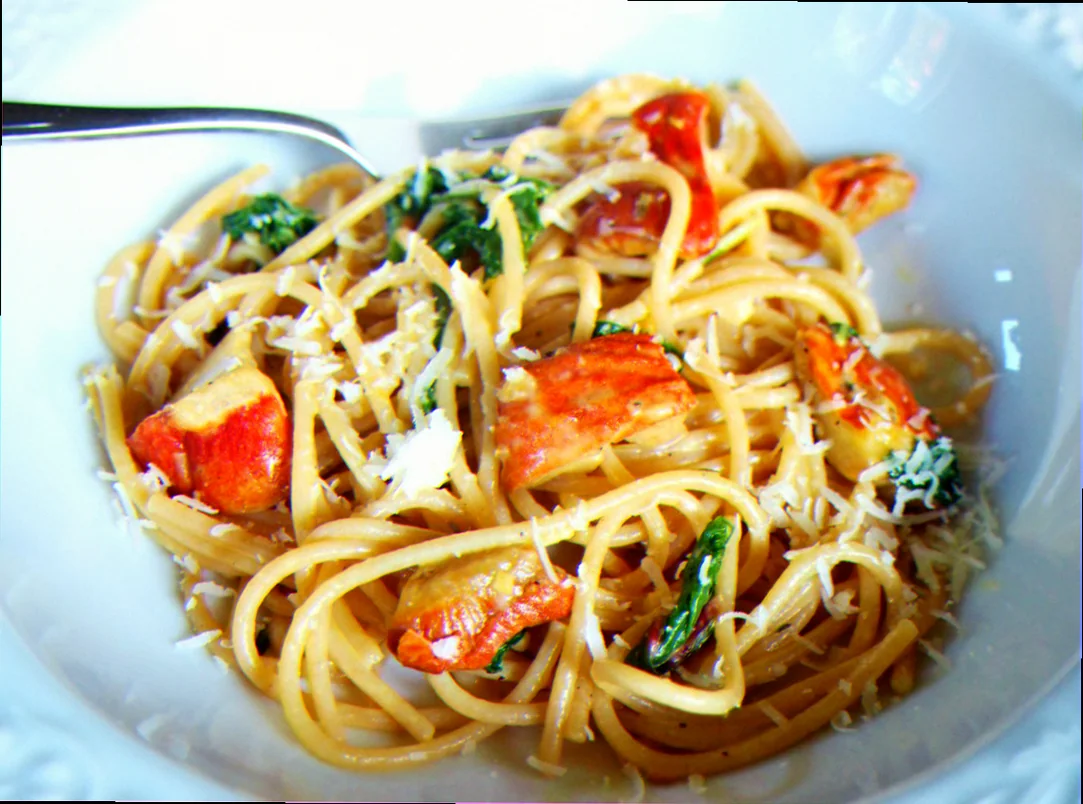
The intoxicating aroma of earthy umami, punctuated by a subtle sweetness, arises from the complex interplay of volatile compounds within Lobster Mushrooms (Pleurotus aestivalis), a species native to East Asia. These fungi, prized for their meaty texture and delicate flavour, owe their characteristic richness to the Maillard reaction - the non-enzymatic browning process triggered by heat, creating hundreds of flavour molecules. The key to unlocking their full potential lies in careful cooking, avoiding over-hydration and preserving their inherent moisture, a crucial element for achieving that coveted, yielding texture.
Complete Recipe Overview
| Property | Detail |
|---|---|
| Dish entity | Lobster Mushroom Wellington |
| Cuisine origin | China (specifically, Sichuan province), adapted for Western palates |
| Defining technique | Encasing and baking - a layered technique requiring precise temperature control and careful moisture management. |
| Hero ingredients | Lobster Mushrooms, Puff Pastry, Duck Confit, Shiitake Mushrooms, Sichuan Peppercorns |
| Critical ratio | Fat:Flour (Puff Pastry) - 3:1, ensuring a flaky, crisp exterior; Liquid:Dry (Mushroom Mixture) - 1:1.5, maintaining moisture for optimal texture. |
| Prep time | 60 minutes |
| Cook time | 35-40°C (195-200°F) for 35-40 minutes |
| Rest / chill time | 15 minutes |
| Yield | 6 servings |
| Difficulty | Advanced - requires patience, precision, and a good understanding of pastry techniques. |
Ingredients: Quantities, Roles, and Critical Ratios
The success of this Wellington hinges on the harmonious blend of ingredients. Lobster mushrooms, the star, contribute a unique, slightly sweet and earthy flavour, mimicking the texture of lobster meat. Puff pastry provides the structural framework and a buttery, flaky crust. Duck confit adds richness and depth, while shiitake mushrooms amplify the umami notes. Sichuan peppercorns introduce a signature tingling sensation - ma la - characteristic of Sichuan cuisine. The critical ratio of 3:1 fat to flour in the puff pastry is paramount for achieving a light and airy crust, while a 1:1.5 ratio of liquid to dry in the mushroom mixture ensures the mushrooms retain their moisture during baking, preventing them from becoming dry and rubbery.
- Lobster Mushrooms - 800g - Role: Provides the primary flavour and texture, mimicking lobster.
- Puff Pastry - 500g (ready-made, all-butter) - Role: Structural support, flaky crust.
- Duck Confit - 200g (shredded) - Role: Adds richness, depth of flavour, and moisture.
- Shiitake Mushrooms - 150g (finely chopped) - Role: Amplifies umami, complements the lobster mushroom flavour.
- Sichuan Peppercorns - 15g (lightly toasted and ground) - Role: Introduces the ma la sensation.
- Shallots - 2 medium (finely chopped) - Role: Adds aromatic complexity.
- Garlic - 3 cloves (minced) - Role: Enhances savoury notes.
- Soy Sauce - 30ml - Role: Adds saltiness and umami.
- Mirin - 20ml - Role: Sweetness and glaze.
- Sesame Oil - 15ml - Role: Adds nutty aroma and flavour.
- Egg Wash - 1 large (beaten) - Role: For a golden-brown crust.
The Science of Lobster Mushrooms and Puff Pastry
Lobster mushrooms derive their distinctive flavour and texture from a complex array of volatile organic compounds produced during their growth. These include esters, aldehydes, and ketones, contributing to their fruity, slightly sweet, and earthy notes. The Maillard reaction, driven by heat, is crucial in developing these flavour compounds. Simultaneously, the high water content of the mushrooms necessitates careful handling to prevent excessive moisture loss during baking. Puff pastry, on the other hand, relies on the physics of steam expansion. The high fat content of the butter creates layers of steam when heated, causing the dough to puff up dramatically. The gluten network, formed during kneading, provides the structure to contain this expanding steam, resulting in a light and flaky crust. The ratio of fat to flour is critical; too little fat and the pastry won't puff properly; too much and it will be greasy.
Method: Encasing and Baking at Every Critical Stage
The goal of this method is to create a perfectly encased Wellington, with a golden-brown, flaky crust and a moist, flavorful interior.
- Prepare the Mushroom Mixture - Sauté shallots and garlic in sesame oil until softened. Add chopped shiitake mushrooms and cook until softened. Stir in soy sauce, mirin, and ground Sichuan peppercorns. Add lobster mushrooms and cook for 2-3 minutes, just until heated through. - 15°C - Sensory Cue: Mushrooms are fragrant and slightly glossy.
- Critical Control Point 1: Moisture Management - Overcooking the mushroom mixture will result in a soggy Wellington. - Solution: Cook mushrooms briefly, ensuring they retain some moisture.
- Assemble the Wellington - Roll out the puff pastry. Spread the shredded duck confit evenly over the pastry. Top with the prepared mushroom mixture. Fold the pastry over the filling, sealing the edges tightly with egg wash. - 18°C - Sensory Cue: Pastry is sealed securely, preventing leaks.
- Brush and Score - Brush the top of the Wellington with egg wash and score the pastry in a decorative pattern. - 18°C - Sensory Cue: Pastry is evenly coated with egg wash.
- Bake - Bake in a preheated oven at 190°C (375°F) for 35-40 minutes, or until the pastry is golden brown and puffed up. - 190°C - Sensory Cue: Pastry is golden brown and the internal temperature reaches 75°C (167°F).
- Critical Control Point 2: Pastry Browning - Overbaking will result in a dry, brittle crust. - Solution: Monitor the pastry closely during the last 10 minutes of baking.
- Rest - Let the Wellington rest for 15 minutes before slicing. - 15°C - Sensory Cue: Pastry is firm and holds its shape.
- Plate and serve - Slice and serve immediately. Garnish with fresh Sichuan peppercorns for added visual appeal.
Cultural and Historical Context of Sichuan Cuisine
Sichuan cuisine, originating in the Sichuan province of China, is renowned for its bold and complex flavours, particularly the ma la sensation - a combination of numbing (ma) and spicy (la). Historically, Sichuan's mountainous terrain and abundant water resources fostered a unique culinary tradition, utilizing locally sourced ingredients like chili peppers, Sichuan peppercorns, and wild mushrooms. The Lobster Mushroom Wellington, while a modern adaptation, draws heavily on these foundational elements, reflecting the region's emphasis on umami and textural contrasts. The technique of encasing and baking, while prevalent in other cuisines, gained prominence in Sichuan through the influence of Western culinary practices during the late 19th and early 20th centuries, resulting in a fusion dish that celebrates both local heritage and global influences.
Variations Across Regional Entities
- Sichuan Wellington (China) - Utilizes a more intense Sichuan peppercorn paste and a bolder chili oil for a significantly spicier experience. - Flavour Attribute: Extremely spicy and numbing.
- French Wellington - Typically features beef tenderloin encased in puff pastry, with a duxelles (mushroom paste) filling. - Key Distinction: Utilizes beef tenderloin instead of lobster mushrooms, offering a different flavour profile.
- Vegan Wellington - Replaces duck confit with roasted portobello mushrooms and uses a vegan puff pastry. - Dietary Adaptation: Eliminates animal products, maintaining the core technique and flavour profile.
- Modern Adaptation - Incorporates truffle oil for an added layer of luxury and complexity, sacrificing the traditional ma la sensation. - Modern Adaptation: Adds a decadent element, appealing to a more sophisticated palate.
Storage, Freezing, and Reheating Lobster Mushroom Wellington
Leftover Lobster Mushroom Wellington can be stored in an airtight container in the refrigerator for up to 3 days. Freezing is not recommended as it can compromise the pastry's texture. For refrigerator storage, the pastry will become slightly softer, but the flavour will remain intact. To reheat, wrap the Wellington loosely in foil and bake at 175°C (350°F) for 20-25 minutes, or until heated through. The internal temperature should reach 75°C (167°F). Freezing will result in a significantly compromised texture - the pastry will become hard and the mushrooms will lose their moisture. Reheating frozen Wellington is not recommended.
Pairing Lobster Mushroom Wellington: Sides, Sauces, and Drinks
This rich and flavourful Wellington pairs beautifully with a light and acidic green vegetable such as steamed asparagus or a vibrant Asian slaw. A delicate mushroom sauce, made with white wine and herbs, complements the umami notes of the dish. For a beverage pairing, a dry Riesling with its high acidity and subtle fruit notes cuts through the richness of the duck confit and lobster mushrooms, while its slight sweetness balances the Sichuan peppercorns. Alternatively, a crisp, dry lager offers a refreshing counterpoint to the Wellington's intensity.
Answers to the Most-Searched Questions About Lobster Mushroom Recipes
What temperature should Lobster Mushrooms be cooked at - and how do I know it's done?
The mushroom mixture should be cooked at 180°C (350°F) until the shallots are softened and the mushrooms are tender, approximately 5-7 minutes. The mushrooms are done when they release their liquid and become slightly glossy. Internal temperature should reach 75°C (167°F).
What is the difference between Lobster Mushroom Wellington and a Beef Wellington?
A Beef Wellington utilizes beef tenderloin as the primary protein, while Lobster Mushroom Wellington features lobster mushrooms, offering a distinct flavour profile. Beef Wellington typically relies on a richer, more intense flavour, while Lobster Mushroom Wellington showcases a lighter, more delicate taste with a characteristic ma la sensation.
Can Lobster Mushroom Wellington be made in advance, and does it freeze well?
Yes, the mushroom mixture can be prepared 1-2 days in advance and stored in the refrigerator. However, freezing the entire Wellington is not recommended due to the pastry's texture. Freezing the mushroom mixture separately is acceptable, but thawing and reheating may affect the texture.